Dechambo

Casino World is Filled
with Exceptional Artworks Too

Whether you believe it or not, gambling is one of the oldest pastimes the world has seen. With references to playing casino games as well as betting widely accepted in different cultures, it is not that hard to believe in it. In fact, few of the known figures for every generation were known gamblers which include a lot of top musicians of today’s time.
Read Article

Hazard & Art: The Beauty of Risk in Visual Expression

Exploring Hazard in Artistic Expression The concept of hazard—risk, chance, and unpredictability—has always been a central theme in the world of art. Artists have…

READ MORE

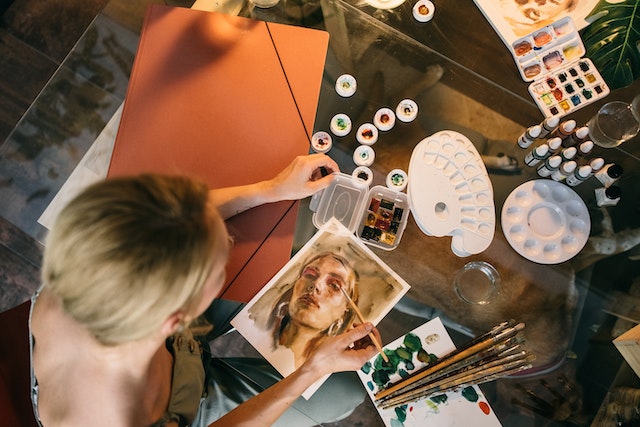
Dechambo Art Work


There are different art styles that have been developed and introduced throughout the span of century. Numerous artists are sharing the same style and…


View Article

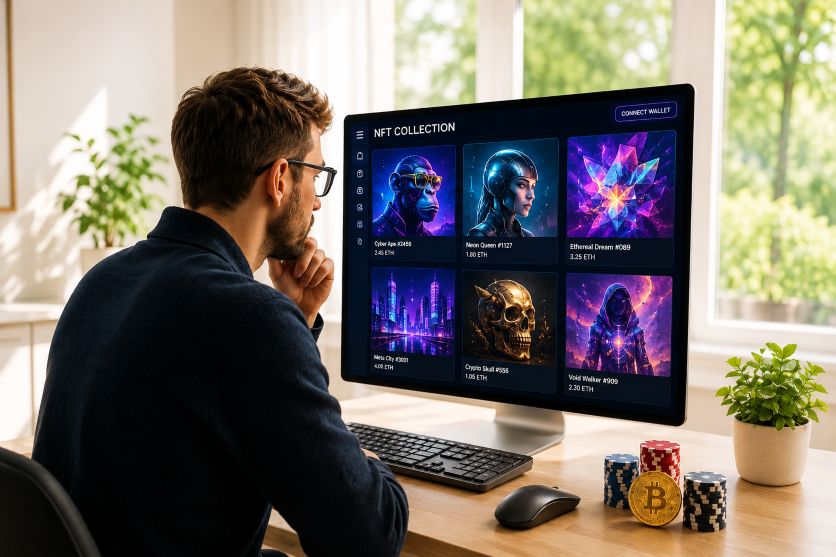
Bet on It: How NFT Casinos Are Turning Fine Art Collectors into Gamblers

Global spending on digital collectibles reached billions of dollars during the NFT (Non-Fungible Tokens) boom, while online gambling platforms simultaneously expanded into crypto-based ecosystems. Reports from Chainalysis and DappRadar show that NFT trading and blockchain gaming continue to overlap in ways that did not exist a decade ago. What started as separate online communities has gradually evolved into a shared digital culture where art collectors, cryptocurrency traders, and casino users often interact in the same virtual spaces.

The connection between art and gambling has become more visible through NFT casino partnerships involving digital artists, token-based collectibles, and blockchain reward systems. According to Reuters, several NFT marketplaces and crypto gaming platforms began collaborating with independent artists during the peak of NFT adoption, creating limited-edition collections tied to casino ecosystems and online gaming identities. This shift reflects a larger cultural trend where digital ownership, entertainment, and speculative spending increasingly intersect.

art and casinos

The Rise of NFT Culture Inside Online Casinos

NFTs, or non-fungible tokens, were originally promoted as digital ownership certificates linked to art, music, and collectibles. Over time, blockchain casinos noticed that many NFT buyers already operated within cryptocurrency communities familiar with decentralized finance, digital wallets, and token speculation.

That overlap created a natural entry point. Some crypto casinos started introducing NFT membership passes, collectible avatars, and digital artwork connected to player accounts. Others expanded further by commissioning exclusive art collections from digital creators. Instead of traditional loyalty systems, users could hold blockchain-based assets that carried access privileges or ecosystem utility.

McKinsey & Company has noted that younger digital consumers increasingly value online identity and virtual ownership alongside physical possessions. NFT casinos appear to be tapping into that mindset by presenting digital collectibles as part of the entertainment experience rather than separate investments.

In many cases, the artwork itself became a marketing tool. Limited-edition collections often generated online discussion because they blended visual culture with gaming communities. The result resembles a hybrid environment where digital galleries and gambling platforms coexist.

When Collecting Starts Looking Like Speculation

Traditional art markets have always involved elements of risk and speculation. Auction prices fluctuate. Collector demand changes over time. Trends can shift quickly depending on cultural attention.

NFT casino ecosystems intensified those dynamics because many digital collectibles became tied to token prices and cryptocurrency volatility. A piece of digital art could rise or fall in perceived value within hours depending on market sentiment.

The Financial Times reported that NFT investors frequently approached purchases with a combination of collector enthusiasm and financial expectation. That same mindset can appear within blockchain gambling environments, where digital assets are sometimes viewed as entertainment items and speculative holdings at the same time.

This creates an unusual cultural crossover. A collector who originally entered the space for digital art may eventually interact with casino features connected to the same token ecosystem. Meanwhile, gambling users may begin purchasing NFTs for status, access, or community recognition.

The boundary separating entertainment spending from speculative investing becomes less obvious in these environments. That ambiguity is one reason regulators and financial analysts continue monitoring the growth of blockchain-based gambling systems.

Artists Are Entering the Casino Economy

One of the more surprising developments is the growing role of artists within crypto gambling ecosystems. Digital creators are no longer limited to selling standalone NFT artwork through marketplaces. Some are now collaborating directly with gaming brands and casino platforms.

These partnerships can involve custom avatar collections, animated digital collectibles, or tokenized art releases connected to special events. In certain cases, artists receive royalties from secondary sales, giving them ongoing revenue whenever NFTs are traded between users.

Art Basel and Artnet have both discussed how blockchain technology changed royalty structures for digital creators. That financial model attracted artists who previously struggled to monetize online work consistently.

Still, critics argue that these collaborations may blur ethical boundaries between creative culture and gambling promotion. Fine art has traditionally occupied spaces associated with museums, galleries, and collectors. NFT casino partnerships move that work into environments centered around betting activity and speculative spending.

Some creators view the shift as a practical business opportunity. Others remain cautious about linking artistic identity to gambling platforms. The debate continues across digital art communities.

The Passive Income Appeal

Several NFT crypto casinos introduced staking systems that allow users to lock certain tokens into blockchain protocols in exchange for rewards or ecosystem benefits. While staking mechanisms vary between platforms, they often resemble decentralized finance models already common in cryptocurrency markets.

This feature changed the way some users viewed casino-related NFTs. Instead of functioning solely as collectibles, tokens could also operate as assets tied to platform participation.

CoinDesk has reported that staking became one of the fastest-growing segments within blockchain ecosystems because users were attracted to the possibility of generating returns from dormant digital assets. NFT casinos adapted similar structures to encourage long-term ecosystem engagement.

However, financial experts continue warning that crypto staking carries substantial volatility and regulatory uncertainty. Token values can decline sharply, liquidity may disappear during market downturns, and some blockchain projects eventually fail altogether.

For that reason, many analysts caution against viewing NFT casino assets as stable financial instruments. The combination of gambling activity and cryptocurrency speculation can increase financial exposure rather than reduce it.

A New Form of Digital Status

NFT casinos also reflect broader internet trends involving exclusivity and online identity. Certain collections function almost like private club memberships. Owners may gain access to virtual events, restricted chat groups, or special gaming environments.

This mirrors patterns seen in luxury fashion and traditional art collecting, where ownership itself can signal social status. Digital identity has become increasingly valuable within online communities, especially among cryptocurrency users who spend large portions of their social and financial lives online.

Pew Research Center has observed that younger internet users increasingly participate in digital communities where online presence and virtual assets carry emotional and social significance. NFT casino culture appears to fit within that behavioral shift.

At the same time, critics question whether these systems create artificial exclusivity driven primarily by speculative hype. Digital scarcity can be manufactured easily through blockchain coding, which raises ongoing debates about long-term cultural value versus temporary market enthusiasm.

The Regulatory Questions Are Growing

Governments and financial regulators are still determining how NFT gambling ecosystems should be classified. Some countries treat certain token activities as digital assets. Others evaluate them under gambling regulations or securities laws.

The European Gaming and Betting Association has stated that blockchain gambling systems present unique compliance challenges because transactions often cross multiple jurisdictions simultaneously. Ownership structures can also be difficult to trace when decentralized wallets are involved.

Consumer protection remains another major concern. NFT values can fluctuate dramatically, and blockchain gambling systems may expose users to multiple layers of financial risk at once. A user could experience losses tied to gambling activity, cryptocurrency volatility, or declining NFT demand simultaneously.

As regulators continue studying the sector, the long-term future of NFT casinos remains uncertain. Some platforms may evolve into regulated entertainment ecosystems, while others could struggle under changing legal frameworks and shifting consumer interest.

Conclusion

The merging of NFT culture, fine art collecting, and blockchain gambling represents one of the more unusual developments in digital entertainment. What began as separate online communities has gradually transformed into a shared ecosystem shaped by cryptocurrency, digital ownership, and internet identity.

NFT casino platforms now operate at the intersection of speculative finance, creative culture, and online gaming. Artists are entering casino economies. Collectors are interacting with gambling ecosystems. Token holders are exploring staking models tied to digital entertainment platforms. The result is a cultural shift that continues redefining how people view ownership, status, and participation in online spaces.

Still, the combination of digital collectibles and gambling activity also introduces financial and psychological risks. Responsible gambling organizations and financial experts advise users to approach crypto gambling environments carefully, particularly when speculative digital assets are involved. Participation should remain limited to amounts individuals can afford to lose, and users experiencing gambling-related harm should seek professional support.

Whether NFT casinos become a lasting part of digital culture or a short-lived trend, they have already changed the conversation around art, entertainment, and online risk-taking. Related blockchain gaming and crypto collectible systems will likely continue influencing how virtual economies evolve in the years ahead.

Designing Risk: How Casino Interfaces Blend Psychology, Visual Art, and Player Retention
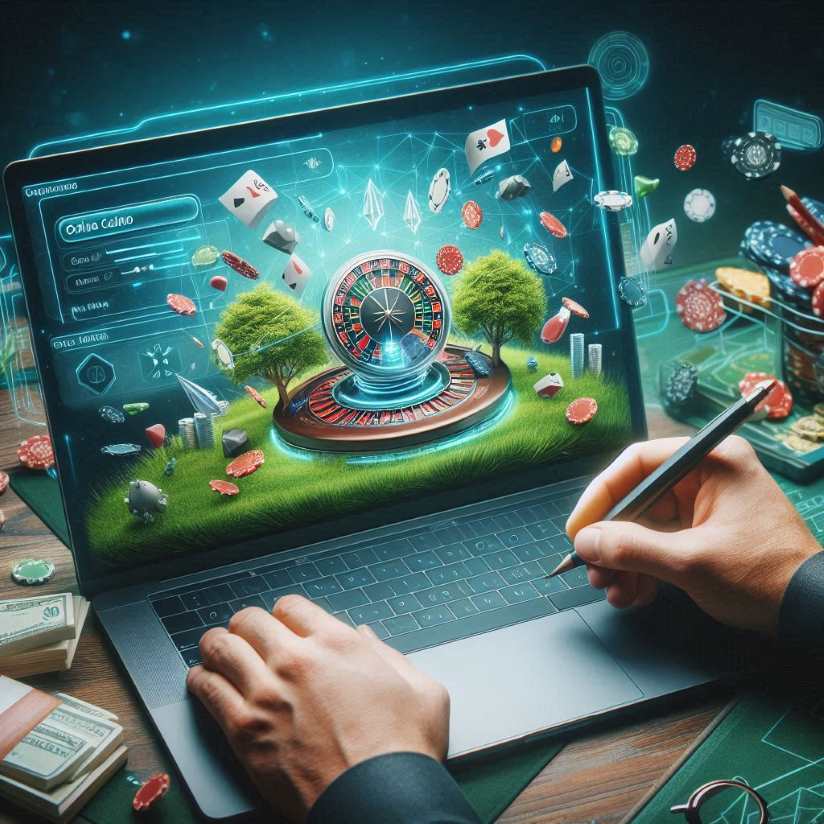
casino design interface

According to the British Psychological Society, digital environments are increasingly designed to influence human behavior, often using subtle cues that guide decision-making. Online casinos exemplify this trend, where interface design is not simply aesthetic but a calculated form of persuasion. Every color, sound, and animation is carefully chosen to sustain engagement and encourage repeated interaction.

Colors and motion are central to this persuasive architecture. Bright reds and golds signal urgency and reward, while cooler tones create moments of calm between high-stakes decisions. Animations simulate the thrill of physical slot machines, and sound design reinforces the sense of anticipation. Reward feedback loops, such as flashing lights or celebratory tones after small wins, are engineered to keep players immersed. Platforms like non UK casinos that accept UK players often experiment more freely with these elements, offering a glimpse into how design flexibility can shape user experience beyond regulatory boundaries.

Colors, Animation, and Sound Design

Visual and auditory cues are not incidental. They are rooted in behavioral psychology. Research from the University of Nevada, Las Vegas highlights how slot machine sounds trigger dopamine responses, reinforcing the cycle of play. Similarly, color palettes are chosen to evoke emotional states—red for excitement, green for reassurance, and blue for trust. Animation adds dynamism, simulating the unpredictability of chance. Together, these elements create a sensory environment where risk feels both thrilling and manageable.

Risk Aesthetics in Online Gambling

The concept of “risk aesthetics” describes how design choices frame uncertainty as entertainment. Online casinos use suspenseful pauses, escalating sound effects, and visual metaphors of treasure or fortune to transform risk into spectacle. This aestheticization of chance blurs the line between art and psychology. It is not merely about winning or losing but about sustaining a narrative of possibility. The interface becomes a stage where risk itself is the performance.

UK-Regulated Interfaces vs Offshore Creativity

UK-regulated platforms operate under strict guidelines set by the UK Gambling Commission, which limit the use of certain visual and auditory triggers to reduce addictive behaviors. For example, autoplay restrictions and mandatory “reality checks” are designed to interrupt continuous play. Offshore platforms, however, often bypass these constraints. Their interfaces may feature more elaborate animations, layered soundscapes, and experimental reward systems. This divergence illustrates how regulation shapes design, with UK casinos prioritizing harm reduction while offshore sites emphasize immersion.

Interface Experimentation and Offshore Platforms

Offshore operators, including alternative sites similar to international casinos accessible to UK audiences, often push boundaries in interface design. Their freedom allows them to test unconventional layouts, gamified loyalty systems, and immersive visual storytelling. This experimentation reflects a broader trend in digital entertainment, where design innovation is used to differentiate platforms. For players, the appeal lies in novelty, but the risks are heightened when regulatory safeguards are absent. The creative latitude of these platforms underscores the tension between engagement and protection.

Ethical Considerations

The ethical debate centers on whether immersive design enhances entertainment or manipulates vulnerability. According to the World Health Organization, gambling disorder is recognized as a behavioral addiction, influenced by environmental triggers. When interfaces amplify risk aesthetics, they may inadvertently contribute to harmful patterns of play. Ethical design would balance engagement with transparency, ensuring that players understand the risks. Yet commercial pressures often prioritize retention over responsibility, leaving regulators and designers to negotiate the boundaries of persuasion.

READ ALSO: Risk and Reward: How Artists Depict Gambling in Visual Art

Closing Reflection

Casino interfaces are more than digital decoration. They are persuasive systems that blend psychology, visual art, and retention strategies. The contrast between UK-regulated platforms and offshore alternatives highlights how design freedom can both enrich and endanger user experience. International casinos accessible to UK players demonstrate the allure of experimentation, but they also raise questions about accountability. Ultimately, the line between entertainment and manipulation is fragile. Gambling carries inherent risks, and immersive design can intensify them. Players should remain aware that behind every animation and sound effect lies a calculated attempt to sustain engagement. Awareness, therefore, becomes the most important safeguard against environments where art and psychology converge to shape risk.

Warning: Gambling involves financial risk and can lead to addiction. Readers are encouraged to approach online gambling with caution and to seek professional help if play begins to feel compulsive.

The Art of Risk: Visual Design, Probability & Experience in Top Australian Online Casinos

RTP percentages alongside casino graphics

Casino games are built on two foundations: probability and design. Every spin, shuffle, or roll is governed by mathematics, yet what keeps players coming back is the art that surrounds the numbers. From dazzling slot reels to immersive table layouts, visual design transforms risk into an experience that feels both thrilling and personal.

On review platforms like Trustpilot, players often highlight how aesthetics shape their enjoyment. Many comments about top Australian online casinos point to graphics, sound, and layout as deciding factors in whether a game feels engaging or forgettable. Risk may be the constant, but design determines how that risk is perceived.

Why Visual Design Matters

Game developers know that first impressions count. A slot machine with crisp animations and vibrant colors instantly signals entertainment. A roulette table with smooth navigation and clear visuals makes the game feel approachable. These design choices are not accidental. They are carefully crafted to keep players immersed while they weigh the odds.

In Australia’s online casino scene, design often sets platforms apart. Players describe polished interfaces as trustworthy, while clunky or outdated visuals raise doubts. A well-designed game suggests fairness and professionalism, reinforcing confidence in the gambling experience.

Art and Emotional Engagement

Visuals do more than attract attention. They shape emotion and influence perception of risk. A slot themed around ancient mythology creates a sense of adventure, while a retro fruit machine sparks nostalgia. These moods affect how players respond to wins and losses. A cheerful design can soften the sting of losing, while darker themes heighten tension.

Psychological studies show that color, sound, and motion amplify excitement. Bright flashes after a win, celebratory music, or subtle animations reinforce the thrill of chance. This blend of art and probability keeps players engaged, often making risk feel like part of the story rather than a cold calculation.

Player Feedback on Casino Aesthetics

Trustpilot reviews reveal how players connect design with experience. Many praise casinos that balance beauty with usability. Games that load quickly, with clear instructions and responsive controls, earn positive feedback. Complaints often focus on cluttered layouts or confusing navigation, which make risk feel frustrating instead of fun.

One player noted that a visually stunning slot kept them playing longer than expected, even though the odds were average. Another said a poorly designed interface made them question fairness. These insights show how aesthetics directly influence trust and engagement, shaping the gambling journey as much as probability does.

Tips for Choosing Games

Players who want to balance art and risk can use a few simple strategies. Beyond design and probability, it also helps to stay mindful of responsible play. Resources like avoiding gambling addiction provide practical insights into how slot games work and how awareness can improve decision-making. A few tips include:

  • Check the RTP: Return-to-player percentages reveal the mathematical side of risk. A beautiful game with a low RTP may not be worth the time.
  • Match mood to preference: Choose themes that fit your style, whether adventurous, relaxing, or competitive.
  • Read reviews: Player feedback often highlights whether design enhances or distracts from fair play.
  • Balance fun with odds: Enjoy the visuals, but remember that probability drives every outcome.

Casinos that combine strong design with transparent odds tend to earn better reputations. This balance creates a more satisfying experience, where risk feels like part of the adventure rather than a hidden trap. For many, the best platforms are those that make art and mathematics work together seamlessly.

Conclusion

Art and risk are inseparable in online gambling. Visual design draws players in, while probability defines the outcome. Together, they create the rhythm of play, a mix of excitement, tension, and reward. Reviews show that aesthetics can enhance trust and enjoyment, but understanding odds remains essential. For those exploring top Australian online casinos, the most rewarding experiences come from games that balance beauty with fairness, turning risk into a crafted journey rather than a blind gamble.

Ensuring Health And Safety In The Art Classroom

Art classrooms are spaces where creativity flourishes, but it’s essential to remember that safety should never be sacrificed for artistic expression. Whether you’re a teacher, student, or an art enthusiast, maintaining a safe environment in the art classroom is paramount.

Ventilation and Air Quality

Proper ventilation is crucial in art classrooms, as many art materials release fumes and dust particles that can be harmful when inhaled. Ensure that the classroom has good airflow through windows, doors, or an HVAC system.

Storage and Handling of Art Supplies

Art supplies can pose risks if not handled and stored correctly. Chemicals, solvents, and sharp tools should be stored in designated areas away from students’ reach. Label all containers clearly, and provide safety data sheets for hazardous materials.

Fostering a safe and healthy environment in the art classroom is essential for nurturing creativity while minimizing risks. By implementing these measures and staying vigilant, you can ensure that art remains an enjoyable and safe pursuit for everyone involved.

Hazard In Art: Embracing Uncertainty For Creative Expression

Art has been a realm of boundless imagination and innovation, where artists have always sought to push the boundaries and challenge conventional norms. In recent times, a unique trend has emerged in the art world – the incorporation of hazard and risk into artistic expressions. This daring fusion of uncertainty and creativity has given birth to a new genre of art that captivates audiences with its unpredictable allure.

The Challenge and Growth

Engaging in hazard art is not merely an artistic experiment. It becomes a transformative experience for the artist. The element of hazard forces artists to confront their fears and step outside their comfort zones. It requires a level of courage and vulnerability that leads to personal growth and self-discovery, pushing the boundaries of their creativity.

Uncovering The Hazards In The Arts

The arts have always been a space for expression, creativity, and innovation. However, beneath the surface lies a darker reality – the hazards that come with pursuing a career in the arts. From physical injuries to mental health issues, artists face unique challenges that are often overlooked or ignored.

Some of the hazards in the arts

One of the most common hazards in the arts is physical injury. Musicians can suffer from hearing loss or repetitive strain injuries from playing their instruments for extended periods. Dancers are at risk of sprains, strains, and other injuries due to the intense physical demands of their craft. Visual artists may experience eye strain or back pain from spending long hours hunched over their work.

Another hazard that is often overlooked is mental health issues. The pressure to succeed and constant rejection can take a toll on an artist’s mental well-being. Many artists struggle with anxiety, depression, and other mental health issues.

What Are The Risks Involved When It Comes To Art?

Art is an expression of humanity. It’s a way for people to tell their stories and share ideas. It can be seen as a way to express one’s emotions and thoughts. Art is also a form of self-expression that can take many forms.

However, there are risks involved with art. These risks can range from the artist being censored or imprisoned to the artwork being destroyed or sold for profit.

Most Common Types of Art Hazards and How to Avoid Them

  • Not knowing where to start
  • Starting too quickly without proper research
  • Not asking for feedback
  • Over-complicating a project
  • Focusing on only one aspect at a time
  • Lack of vision

While risks are a part of art, it is important to take precautions when creating and displaying artwork.

The Hazards Of Art And Why Is Safety Important

Art can be a beautiful form of expression. However, it can also be hazardous if you will not take into consideration safety measures. From the use of hazardous materials to the risk of injury from sharp tools, there are many risks associated with art that you need to address. It is important to understand these hazards and take steps to ensure that your art practice is safe and secure.

The Risks of Working with Common Art Materials and Supplies

Common art materials and supplies such as paint, glue, solvents, and other chemicals can present health hazards if you are not going to use them properly or if they come in contact with skin or eyes. In addition, the wrong combination of materials may produce dangerous fumes or irritants that could cause serious health problems. It is important to understand the potential risks associated with working with common art materials and supplies. This can ensure a safe environment for both the artist and anyone else who may be exposed to them.

Famous Painting of Casino Games

Many famous painters used to flirt with gambling. But did you know that their passion gradually turned into a real social theme, immortalized and represented in art? Famous paintings with games of chance stand as testimony.

At the Roulette Table in Monte Carlo

One of the paintings about gambling is “At the Roulette Table in Monte Carlo” or “La masa de roulette in Monte Carlo” by the painter Edvard Munch. This emerges from the experiences of the painter. He often frequented the Monte Carlo casino and later reproduced the gambling atmosphere in the painting. He painted this in 1892 and measures 116 x 74. The painting accurately captures the crowd and tense atmosphere at the roulette table. The color palette of the entire painting has its roots in the chromatics of the green roulette table. In places, shades of blue and red emerge, complemented by the beige of the characters’ skin.

Casinos As Art: Source Of Inspiration

The numerous stories about casinos, brazen thefts, and supposedly dirty deals still serve as an important source of inspiration in films, series, and books. In this regard, you must mention films like Casino Royale or Ocean’s Eleven in particular. Be it art or gambling, both sectors have developed into a particularly lucrative businesses over the years.
Architecture

When it comes to casinos, the architecture is fascinating. Since the advent of the Internet, brick-and-mortar casinos have had a strong competitor. Therefore, it becomes even more important that casinos do everything in their power to present themselves in the best light. Since the look of a casino is the first thing that catches the eye, some casinos have become true architectural masterpieces. But the same applies to the interior of the casinos. The modern designs in combination with simple lines are just perfect.

The Connection Of Gambling And Works Of Art

Different motifs are represented in art. Whether in literature, painting, sculpture, film, photography, or music is the actual inspiration for the creation of works of art.

Connection of gambling and art

Gambling and art don’t seem to go well together. However, in the history of art, there have even been many notable artists who have made gaming tables the focus of their work. In others, gambling is shown in passing, but it is not all that unimportant for the interpretation of the work of art. Gambling in art is much more than an ordinary subject. On the one hand, gambling can depict the normal everyday life of one social class or another. On the other hand, it illustrates mysterious ways of life.

Relationship Between Art And Mental Health

The connection between art and mental health can no longer be denied. The role of the arts in medicine is an extremely important issue both for art history and for future medical practice. Linking art to well-being and healing is actually quite obvious. Therefore, one could also assume that the influence of art on your well-being is purely aesthetic in nature.

Art has a strong influence on the environment

Art brings some humanity to a forbidding hospital corridor and life to a drab office. It underlines the human and social role of sterile or functional spaces. By humanizing and beautifying the environment, anxiety and sadness can be reduced. At the same time, general mood and productivity are improved. For some, art also serves as an inspiration for meditation or quasi-religious spiritual renewal.

Vulnerability: Why Does Art Need Risk?

People fall in love with art when it connects with them. It connects when it makes you feel something you have been wishing to feel or when you see the universe in a new perspective.

Vulnerability in art

There is vulnerability in art. Risk is important to art because it makes you vulnerable. This is for both the artist and the viewer.

Art is empty without this risk. It is stale and meaningless. There is no real grandeur in that. Usually, the most influential art is not just pretty. It’s moving and it changes societies.

Visual Art Materials Can Be Harmful To Artists

The visual arts can have noteworthy risks to the safety and health of artists.  There are health hazards related to drawing and painting.  Working safely can include changes in how you choose your art materials. It also includes how you handle them.

What are some basics of chemical safety?

Make sure you have a safety data sheet.

Read the label.  Ensure you know what you are working with as well as the related hazards.

Place or cover a lid on the container when you are not using it to avoid unwanted vapours and evaporation.

Label the new container with the contents and associated dangers.  Visual arts provide labels for this purpose.

Durability and Dangers of Materials in Art

Cultural goods, especially works of art, are constantly exposed to the risk of irreparable damage. These damages are from external influences as a result of intensive exhibition activity and also from environmental pollution and climate change. This can lead to complete destruction, especially in the case of outdoor objects.

Systematic investigations and weathering tests for arts

People check the long-term durability of materials in arts through systematic investigations and weathering or light tests. Above all, they use methods of modern surface analysis. This makes it possible to detect material changes in the nanometer range. Such systematic methods can ultimately suggest and test ways of preserving cultural heritage.

Environmental Hazards of Materials in Art

Art production is a satisfying process. However, it can involve possibly dangerous materials. This is one of the reasons why you need to explore the hazardous materials before doing your artworks.

Artists and Dangerous Materials

Artists are zealous about their work and pursue creativeness in many means. Some paint, while other artists work with sculpt or ceramics with a wide array of materials. Art can be valuable and beautiful but it can also be harmful to your health.

The environments of art studio can be dangerous areas. Sculptors who work in stone and wood use saws, large sharp knives, and blades. Others use heat in order to weld large, thick pieces of metal that might have piercing edges. Some artists paint big canvases, requiring high ladders and physical dangers as well. Various artists use adhesives and glues that can give off unsafe fumes.

Relevant To Health: How Toxic Is Oil Painting?


How hazardous is it actually to paint with oil paints? Are there serious health risks?

What exactly is dangerous?

Color pigments: there are some that can have a toxic effect, i.e. are poisonous. However, there is really only a serious danger with very few color pigments. For a long time, this was white lead, which is no longer used today for this very reason.

People usually use nut oil or linseed oil as a binding agent. This is safe.

The most problematic are the solvents that you require or use when painting with oil paint. Whether it’s turpentine oil to thin the paint or brush cleaner, both contain substances that are volatile. This means that some of these liquids already evaporate at room temperature. These fumes, which represent the usual scent of oil painting are quite aggressive. They can have a negative effect to the mucous membranes.

Art Materials Can Be Dangerous

Individuals of all ages use art materials. Certain chemicals you find in art materials have the possibility to harm your health specifically if you use them over a long period of time.

You must take note that the danger can be higher for kids. Furthermore, it can have risks for individuals with physical and mental challenges. It can also affect individuals with certain unhealthy lifestyles and genetic diseases.

Why do art materials have the potential to cause health problems?

Metallic compounds and other chemicals can cause harm to the DNA in your body. Your DNA carries the information that guides all the activities being performed in your cells, organs, and bodies. This information is vital. You should not damage or alter this. In a normal cell, if there is any damage to DNA, you can fix it by DNA maintenance systems. However, if you expose an organ or a cell continuously to a chemical compound that has the capacity to damage DNA, the risk to the DNA becomes too much.

Art Materials & Tools and Their Health Hazards

Art is really fun to create.  Nonetheless, there are health dangers that come with all types of art.

Art materials and Safety

Some individuals have old wounds that can act up. Other individuals might have an old sports injury that recurs once in a while. As for artists, they can tell their friends that they are unable to join in a friendly game of football due to tendonitis from the excessive time at the potter’s wheel.

Artists have a tendency to get lost in their work. While the finished art product may turn out excellent, injuries can recur which are completely preventable. Not only are some of these health risks serious, but they can also keep you away from your artwork, and nobody wants that. Make sure to do your research about the tools you will use. This way, you can avoid possible hazards to your health.

Combination of Art and Gambling

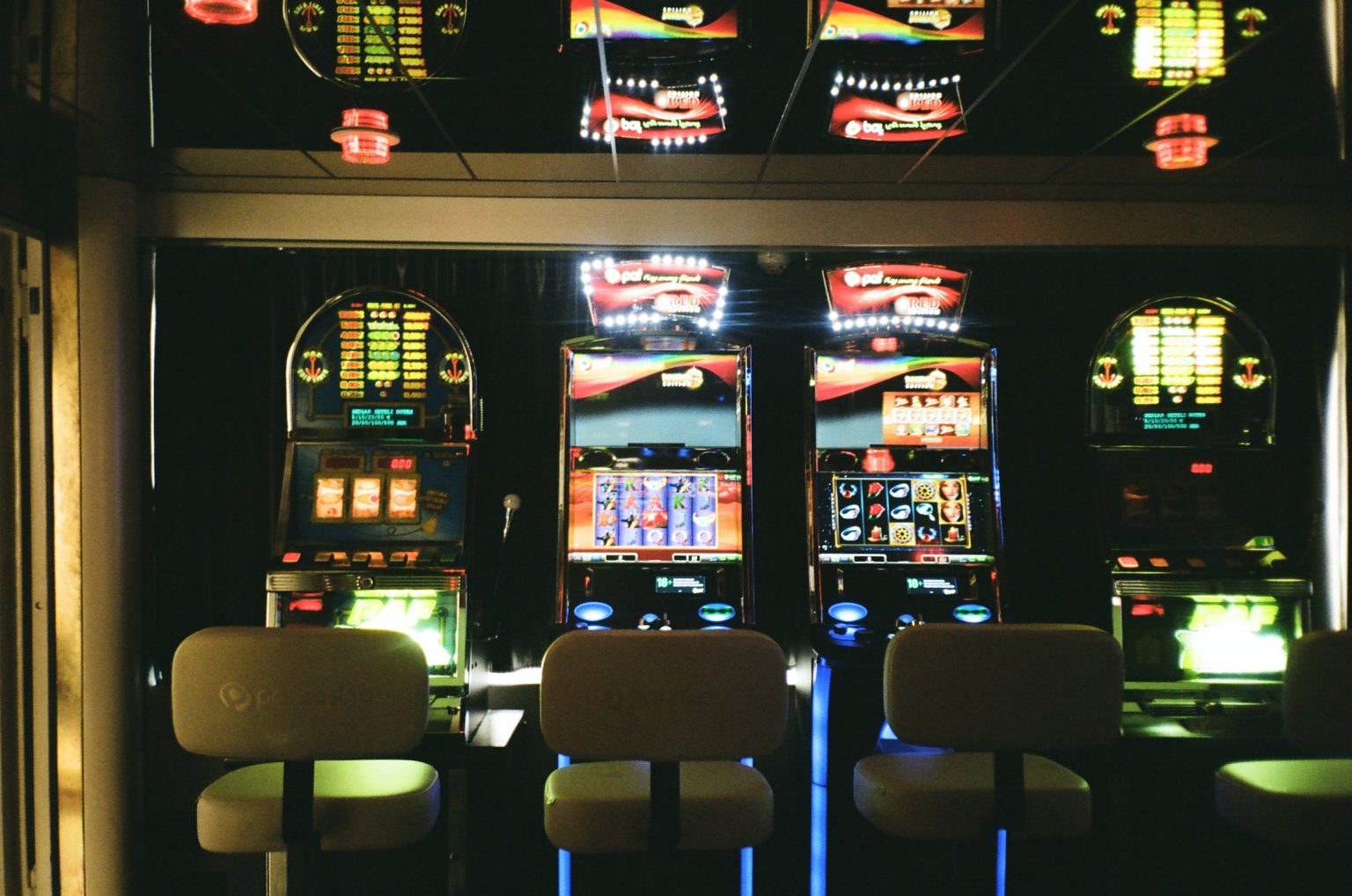
The online casino is possibly one of the last industries you would expect to encounter art. However, appearances are deceptive because on closer inspection you will discover them, hidden in the slot machines. Oftentimes, software manufacturers are very creative when it comes to designing their slot game. This way, they can be able to present them on a visual level as pleasingly as possible.

The creative engagement with gambling

The best up-to-the-minute slot games are remarkable. The manufacturers have combined the latest technology and expertise to make the gaming experience as attractive as possible, both visually and with background music and sound effects. This is an art in itself.

In addition, artists actually design many slot machines nowadays. They based the designs on the existing artistic expression.

How to Ventilate an Art Studio

Many people overlook proper ventilation when setting up their art studio. This is very vital for your personal safety and health. Some don’t realize that when using certain art materials goes up into the air. Overtime they may be concentrated which is not good for the lungs and air passage.

Here is what you can do:

  • When painting, paint near a window. Make sure to have a window that can open. Opening up a window and your door will allow fresh air to flow in the room. This will cause the chemicals to disperse.
  • Using a fan in your studio also helps in providing proper ventilation. It rotates air in the studio

Always keep in mind that safety is always a priority in your work area.

How to Control Fumes in Your Art Studio

Fumes is a common problem for artists nowadays. Oil painting, air brushing, spray paint or anything that emits toxins in the air is dangerous to one’s health. Inhaling solvents and its pigments are hazardous to our health. They cause a variety of health issues like cancer, respiratory disease, allergies etc. When inhaled many people suffer from headaches, dizziness and nausea. Ventilation is very important and opening windows is not enough. Artists find giant filters as a great help in eliminating these fumes. However, this equipment is not cheap and many artists hardly can afford it.

Here are some options:

  • Wear a respirator. This is effective especially when spray painting.
  • When using odorless thinners get yourself some air tight medium holders. This will prevent the fumes from mixing with the air in your studio.
  • Open your windows when dealing with fumes.

Toxic Solvents

There’s a whole variety of toxic solvents. Some of this are common in many art studios. A lot of people are still using them as an art material. Many are not aware of the health hazards they can cause. Here are some toxic solvents that should be use with care and precaution.

  1. Lacquer Thinner. Lacquer is a mixture of a variety of different solvents like petroleum, aromatics, ketones, esters, alcohols and glycol ethers. These are all toxic in their own way and we have a difficulty of understanding what are all this thing added to make lacquer thinner.

Why should we avoid lacquer thinner?

  • It evaporates both quickly and slowly. It can be inhaled inside the body.
  • It can cause reproductive harm
  • It is highly flammable
  1. Turpentine. This is a commonly used solvent that is also toxic. Chronic exposure can harm the skin that can cause allergies, liver, kidneys and nerves. It causes contact dermatitis; this is a reaction very common to artists working with these ingredients.

Odorless minerals like Gamsol are less toxic. This contains few of those aromatic solvents that we find in lacquer thinner and turpentine. However, this can still be absorbed in the skin. So you still need to be careful when working with them.

  1. Paint removers. We should also be careful when using this ingredient. This contains methylene chloride that is very volatile. It is easily inhaled and absorbs through the skin. It is known to be a carcinogen and mutagen. When inhaled, it can damage the liver, kidneys and brain.

Hidden Hazards in the Art

The art studio is always considered as a safe, calm and creative space to create vibrant arts. But the art studio maybe more of a dangerous place than you think. Art is something for the care. Art is something for the carefree and creative spirit. If you’re an artist, you don’t want to be the person who creates an installation that ends up injuring everyone that goes to see it. Health and safety is important.

If you’re planning an installation or a performance piece, first of all consider the following:

  • Think about where you’re going to do it.
  • What space will you need?
  • Who will be your audience?
  • Can your audience move freely around the space? If so, how are you going to keep them there?
  • Does the work itself create any hazards or could it have an adverse effect on the audience?
  • It’s also worth checking what is and isn’t allowed in the venue well in advance.
  • Once you’ve got your location sorted, before you begin doing anything, you’ll probably have to fill out a risk assessment to show the owners of the space you’re using that what you’re doing is safe.
  • In order to get the most creativity out of your performance or installation, you need to think logistically about what you can achieve.
  • The bottom line is that whatever you do, you need to make sure that it’s safe.

Chemical Hazards in Ceramics

Making ceramics is a form of art and its fun. Most ceramics are colored and what they fondly use to color them are glazes. Before using these colorants check the box and read all labels. Sometimes they do not have labels but all should contain warnings. The colorants in ceramics usually contain nontoxic and toxic ingredients. Cadmium and lead are usually found in these colorants. They are known to be neuro toxic compounds. Both are also carcinogenic.

When working with ceramics you also have to work with clay. There are options when working with this material. One option is working with dry clay and mixing them yourself. The common problem working with dry clay is you can generate a lot of dust. These dusts contain crystalline silica which when inhaled can cause impairment of your lung function.  It may also be a cause to serious lung disease like silicosis and lung cancer. A good way to avoid this is getting your clay pre wetted. This type of clay generates no dust until you finally end up using it.

Ways to avoid people from inhaling these dusts:

  1. Use a mask or a respiratory protection that can help block these particles.
  2. Using a vacuum with a high efficiency particulate air filter can filters out the fine dust and keeps it from being suspended in the air.
  3. Wet mop your floor to pick up any dust particulates. Avoid sweeping them.

Safety Measures in Your Art Studios

Unfortunately, in the art world there are a lot of misinformation that creates unnecessary fear for people who wants to start an art activity.

Here are some basic studio safety protocols to follow when dealing with art materials.

  1. Many people believe that cadmium colors are highly toxic. Is this statement correct? Many art materials contain cadmium however in small amounts. They usually contain cadmium salt which is not enough to be toxic. The only way you get cadmium poisoning is to literary eat or ingest the paint. So make sure to wash your hands thoroughly before eating.
  2. Avoid inhaling the paints. Especially in its dry form. These is especially true when spray painting.
  3. When using paints containing lead be sure not to sand it and inhale the dry components. Make sure to wash your hands thoroughly after very use.

4. Use protective gears and creams while using these art materials. There are some creams designed to help protect your skin from these harmful elements. When working with pastels dry pigments usually sticks in your hand. This may dry and irritate your skin. Use creams and soaps that is designed to help avoid this.

5. When painting with oils you usually need thinners. Try using thinners that are odorless. This made with lesser toxins. Make sure that your windows are open when using thinners. If you have the extra cash, invest on an air filter that will filter out toxic elements in the air.

6. Dispose of your used art materials properly. Do not dump them in your sink. This will contaminate the environment.

7. Be careful not to live oily rugs in a container to avoid fires. Soak this rugs in water to prevent spontaneous combustion.


Toxic Metals in Art Materials

Many art materials contain ground metals. These materials come from rocks which have colorants that are powdered.  Without our knowledge some of this are very hazardous to one’s health. Inhalation is usually the route of concern. If they were in a liquid form its harder to breath them in. The finer the particles, the greater the danger of inhaling them.

Here are some examples of Toxic Metals in Art Materials:

  1. Antimony – This is usually used in water colors. When inhaled it can cause damage to the heart and lungs. Ingestion of this toxic metal can cause kidney damage and respiratory failure. It can also cause skin ulcers when in contact with the skin.
  2. Arsenic – This was often used in the past. However today, there are still products that have this ingredient. This is very corrosive when in contact with the skin. It can damage the nervous system, kidneys and the mucous membrane.
  3. Cadmium – This is poison by inhalation and when ingested. It causes internal organ damage. It is also known to cause lung and prostate cancer.
  4. Chromium – It is also known to be carcinogenic. It causes lung damage and may irritate the skin.

Not All Art Materials Are Safe

Art materials such as crayons, watercolors, paints, are used by people of all ages. They can bring out your creativity and they are fun to use. But not all art materials are safe especially for children. There are some chemicals and toxins found in these materials that can potentially harm ones health. They can cause slight to major health problems. This is especially true when these materials are used in a long period of time, ingested or even inhaled. Remember that there are laws and regulations that are mandated to protect its users. Manufacturers are required to properly label the product. It should include the production and expiration date including when the last review of the ingredients was performed. Manufactures should be responsible enough to make their consumers aware of the potential risk when handling these art materials. They should include in their label the health risks associated with use. As a user we should learn to use these materials in a responsible and careful way. We should always supervise our children when we give this to them for use. Reading labels and knowing the different ingredients used including the possible effects to our health is important.  Let’s be alert for any accident and we should be prompt enough to treat them. Going to the nearest hospital during serious cases is important.

Concealed Dangers in Art Class

When you hear of the phrase Art Class, you can easily relate this to pupils drawing, painting, sculpturing and many more. It has an atmosphere of creativity and enthusiasm to create something beautiful. Yet, despite the fun and excitement in this class many are unaware of the potential danger in this types of class. This is especially true to young children.
 
Most of the time the perils that exist in an art class are ignored. The reasons are simple, some are unaware of the health hazards. Some to not practice and understand safety measures that come when handling these materials.
 
Before entering an art class the teacher and students should be lectured on the proper handling of Art materials. The teacher should be well trained to handle emergencies. Students should be well supervised when handling these materials to avoid accidents.

Who are More at Risk to Hazardous Art Materials?

Both children and adults are fond of arts and crafts. However the some materials we use in art are harmful. Without us knowing there are plenty of art products that contain toxic materials that is hazardous to one’s health.

Children below 12 years old are more at risk for exposure to these harmful elements. This is because children of this age are very curious. The colorful, attractive shape and fragrant smell makes it very tempting to taste. When ingested they are at risk for complications and even death. They cannot handle the effects of it because their body are small and their vital organs are still underdeveloped.

Children who are older are also at risk when they handle this materials improperly. Some older children intentionally abuse these materials. Materials such as glue, paint and solvents have an addicting smell which can lead to abuse. Many art materials have addicting smell thus some use this to get high.

Other groups  who are also potentially at risk are those who have visual and hearing problems, those who have physical disabilities and those who have respiratory diseases such as asthma and COPD.

Toxins and Other Health Hazards in Art Materials

Art is fun however there may be health hazards associated when we use some art materials. Many art materials contain toxins that are harmful to people.

Toxic Substances in Art – Toxic metals in art materials

We may be unaware of this. We must protect ourselves especially the most vulnerable from these hazardous materials. We should be aware of the potential threat it may cause to our bodies. Before using these materials, it’s important to read the label. We should also follow safety guidelines when using the materials. After use, we should also practice proper labeling, storage, and disposal. In case of accidents, we should immediately seek medical help and advice.

Betting on Brushstrokes: How Artists Are Using Gambling Imagery to Critique Risk Culture

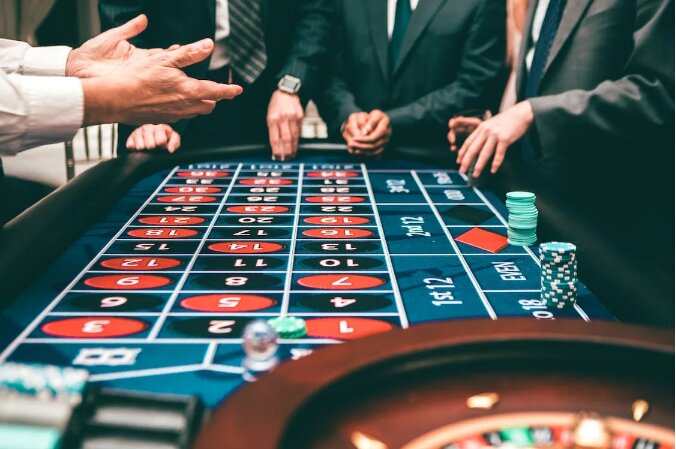
art gallery roulette

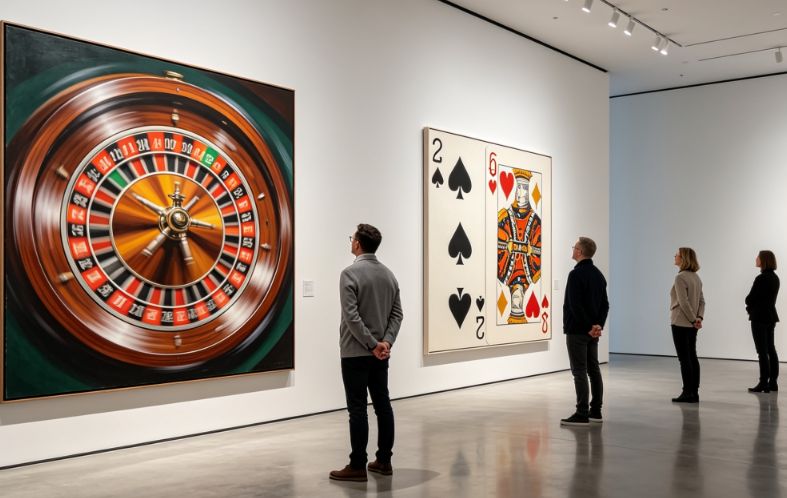
Games of chance have become a recurring visual language in contemporary art. Playing cards, roulette wheels, dice, poker chips, and slot machines are appearing in galleries as artists explore how societies respond to uncertainty, wealth, and ambition. Major international exhibitions in 2026, including the 61st Venice Biennale, continue to demonstrate how contemporary artists use symbolic imagery to examine political, economic, and cultural tensions rather than simple entertainment.

Many curators see gambling themes in contemporary art as a way to question the growing acceptance of financial speculation and high-risk decision-making. Exhibitions presented through the Venice Biennale, including projects such as Baile, Botella y Baraja, show how games, chance, and public rituals can symbolize systems of power, colonial history, and economic control instead of personal fortune. These visual metaphors encourage audiences to think beyond casinos and consider how risk shapes everyday life.

Observation: Risk Becomes a Visual Language

Artists have long borrowed familiar symbols to communicate complex ideas. Today, dice may represent uncertain financial markets, while stacked poker chips can suggest unequal access to wealth. A roulette wheel often becomes a metaphor for unpredictable political decisions or economic cycles.

Reports from the Venice Biennale highlight how many participating artists are focusing on uncertainty, migration, conflict, and social instability. Although gambling imagery is only one of many visual approaches, the broader exhibition reflects an international interest in examining fragile systems and human vulnerability.

Interpretation: Art Challenges the Culture of Speculation

These works invite viewers to ask deeper questions about modern finance and personal responsibility. Stock markets, cryptocurrency investing, online trading platforms, and speculative assets all rely on balancing potential reward against possible loss. Artists often blur the boundaries between calculated investment and pure chance, suggesting that modern economies sometimes encourage behavior that resembles gambling.

Research published by the International Monetary Fund and the World Economic Forum has discussed how technological change, financial innovation, and market volatility influence public attitudes toward risk. Rather than offering economic solutions, artists interpret these realities through emotional and symbolic narratives that statistics alone cannot express.

Museum visitors frequently encounter installations where betting tables become meeting places for conversations about debt, inequality, consumer behavior, and personal aspiration. The familiar objects lower the barrier to engagement while opening space for broader social reflection.

Reflection: Hazard Aesthetics Mirror Collective Anxiety

The popularity of these visual motifs says as much about audiences as it does about artists. Many people now live with economic uncertainty, rising living costs, changing career paths, and rapidly evolving technologies. Gambling imagery reflects those shared experiences by transforming abstract concerns into recognizable symbols.

Studies published by the Organisation for Economic Co-operation and Development continue to show that financial uncertainty affects household confidence and long-term planning across many countries. Art cannot remove these pressures, yet it offers a space where viewers can examine them from a different perspective.

The strongest contemporary artworks avoid celebrating risk. Instead, they encourage careful observation of the systems that reward some participants while leaving others exposed to loss. A painted deck of cards or a carefully arranged roulette table becomes less about winning and more about questioning the rules that shape society.

As galleries continue exploring these themes, gambling-inspired imagery is likely to remain a powerful artistic device. It reminds audiences that every culture develops symbols to explain uncertainty, and today’s artists are using those symbols to spark conversations about economics, ethics, and the human desire to control an unpredictable future.

A New Spin on Luck: How the Best Norwegian Casino of 2025 is Transforming the Art of Online Gambling

Two Norwegians happily playing online casino games in a bright, cozy living room.

Online gambling is on the verge of experiencing a significant surge in Norway. The online gambling market is now looking at the best Norwegian casino 2025, and it is poised to support this access. Many of the vendors in this marketplace offer redefined payment options.

Norwegian casino players will no longer settle for just bonuses or eye-catching graphics, as they are now seeking more substantial offerings. They want experiences customized such that they feel real, are entertaining, and are devoid of inauthenticity and chicanery.

Honesty, aesthetics, and responsible gambling, however, are the basis on which the judging criteria for platforms were established. The strong protection of user data, easy-to-use interfaces, and the structure of the gambling business make sure that all activities are honest and not related to risky behaviors.

Many users are not interested in the spectacular jackpots typically linked to gambling; instead, they prefer the unique combination of gambling with advanced graphics, engaging narratives, and seamless social networking that was previously only found in high-end entertainment.

Technology and Art Fusion

The fusing of hazard and art is a marker of the best Norwegian online gambling platforms of 2025. Each game is a sight to awe and developed with the skillful use of sophisticated graphics, emotional soundscapes, and breathtaking effects. The intricately designed roulette tables are reminiscent of installations of art, while the slot reels are now pieces of interactive motion art that sync with the user’s rhythm and emotions.

A giant advancement is AI. AI enhances and customizes gameplay, visual themes, and AI-generated music and assists in behavioral analysis. These personal touches allow the technology to capture the emotional essence of the experience, giving each session a personalized flair.


ALSO READ: Mastering the Balance of Risk and Reward Through Exclusivebet Reviews


The Innovation is Glimpsed Through Player Confidence

Certainly, the selling point for the best Norwegian casino in 2025 will be their real commitment to responsible gaming. These tools educate the user, provide self-exclusion tools, and have real-time monitoring to prevent addiction and encourage responsible gambling. All excessed boundaries have collapsed into a new transparency in verified randomness and fair odds, which is now the new credibility luxury.

Design studios, programmers, and behavioral designers coalesce to cultivate a dynamic ecosystem for these casinos. The strategy is to juxtapose exhilaration and safety in the experience. Placing trust in a platform is no longer just about the odds; it’s about the user appreciation, value for their time, and rewarding loyalty.

Transforming the Future of E-gaming

For Norway, the combination of digital activities with art and gambling is indicative of cultural evolution, with the country embracing the art of innovation and the mastery of poised control in the mature casino industry. It is no longer about just logging in to play; it is about joining a stylized, integrated, and collaborative digitalized community.

For the year 2025, Norway’s best online casino is more than simply a place of amusement; it has become a platform for the synergy of design, behavior, and probability, redefining and reshaping the culture of online gaming. It is a culture that inspires as much as it rewards.
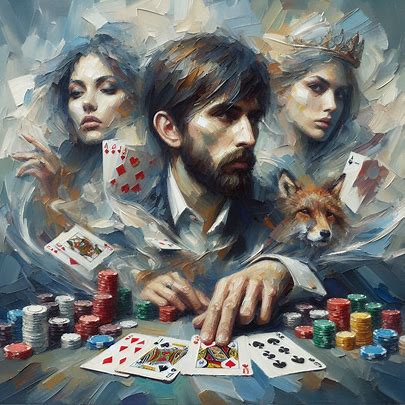
Risky Brushstrokes: Art Inspired by Chance

gambling art

Gambling Themes in Modern Art

Artists are increasingly drawing inspiration from gambling’s thrill. Recent exhibitions have showcased works exploring risk and chance. For example, a London gallery featured pieces inspired by poker and roulette, using bold colors to capture the rush of a bet. These artworks reflect society’s fascination with uncertainty. They blend chaotic patterns with structured designs, mirroring the balance of luck and strategy in gambling. This trend resonates with audiences who see art as a way to explore human impulses.

Hazardous Materials in Creative Works

Some artists are taking risks with their materials. A recent show in New York highlighted sculptures made from hazardous substances like resin and sharp metals. These pieces challenge viewers to confront danger in art. The creators use unpredictability—much like a roll of the dice—to shape their work. This approach has sparked debates about safety and creativity. Yet, it’s gaining traction, as artists push boundaries to evoke strong emotions and provoke thought.

Digital Art Embraces Randomness

Digital art is also embracing hazard. Generative art, where algorithms introduce random elements, is trending. A recent online exhibit featured NFT artworks created with code that mimics chance-based outcomes. These pieces sell for thousands, showing the market’s appetite for risk-driven creativity. Collectors are drawn to the uniqueness of each piece, much like a gambler chasing a rare win. This fusion of technology and hazard is redefining how art is made and valued.

Street Art Meets Protest: The Rise of Hazard-Inspired Installations

Graffiti Goes Bold With Warning Signs

Bold red tapes, biohazard stencils, and radiation symbols are becoming common motifs in urban art. Artists are using symbols of danger not just for shock value, but to push conversations about climate change, war, and government surveillance.

Art as a Call for Change

In cities like Berlin, São Paulo, and Los Angeles, local artists are combining hazard visuals with emotional messages. Think caution tape framing a painting of melting glaciers. Or gas masks painted on children in war zones. It’s powerful, and people are taking notice.

Exhibits Are Moving to the Streets

Traditional galleries are giving way to abandoned buildings, empty warehouses, and construction sites. These unsafe zones become real-life canvases, drawing attention to social and political dangers.

Why This Trend Is Catching Fire

People are overwhelmed by news and need a new way to process it. Artists are turning fear into visuals we can’t ignore. That’s why this trend isn’t going away anytime soon.

What It Means For The Future

Expect more bold art in unexpected places. Warning signs won’t just mean “stay away” — they’ll mean “pay attention.”

How Casinos Are Embracing Digital Art

gambling design

NFT Art is Changing Casino Aesthetics

Casinos are using NFT artwork to create unique gaming experiences. Art is redefining casino spaces from digital murals to interactive slot machine graphics. Players can even purchase and trade casino-themed NFTs.

Luxury Casinos Are Showcasing Modern Art

High-end casinos are investing in modern art collections. Las Vegas and Macau now feature exclusive art installations by famous contemporary artists. These collections attract art lovers who enjoy luxury gambling experiences.

Virtual Art Galleries Inside Online Casinos

Some online casinos now feature digital art galleries. Players can view, buy, and even win NFTs as part of their gaming rewards. This trend blends gambling with artistic expression, making online casinos more engaging.

Casino Interiors Inspired by Famous Artists

Designers are bringing art-inspired themes to casino floors. From Salvador Dalí’s surrealism to Andy Warhol’s pop art, gambling spaces are becoming visually stunning attractions.

The Future of Art and Gambling

Expect more collaborations between artists and casinos. Digital collectibles, interactive exhibits, and AI-generated art will play a bigger role in shaping the future of gambling aesthetics.

Hazard & Art: The Art of Risk Management

The Growing Popularity of Risk-Based Art Investments

Art has always been a unique asset class, but it’s increasingly being recognized for its value in risk management portfolios. Art investors are leveraging pieces as a hedge against economic volatility. While traditional investments like stocks and bonds face market risks, art provides a tangible alternative that can appreciate over time.

Creating Visual Impact with Hazard-Inspired Art

Art inspired by hazardous materials and toxic environments is becoming a unique niche. Many artists are exploring the dangers of environmental degradation and industrialization, using hazardous materials as medium. This kind of work is becoming more relevant as the world focuses on sustainability and climate change.

The Link Between Risk and Creativity

Risk is an inherent part of art creation. Many artists intentionally push boundaries, experimenting with dangerous materials or exploring controversial themes. This not only challenges traditional norms but also generates excitement in the art world. Risk-taking in art can lead to innovative and groundbreaking pieces.

How Hazardous Conditions Influence Art and Creative Expression

Artistic Reactions to Global Hazards

Throughout history, art has been a medium for expressing hazardous conditions’ emotional and societal impact. Whether it’s war, environmental disaster, or pandemics, artists have consistently responded to crises with works that reflect the emotional turmoil of the times. During the COVID-19 pandemic, for example, a surge in digital art, photography, and music captured the isolation, fear, and resilience experienced globally.

Art’s Role in Highlighting Climate Change and Environmental Risks

Today, climate change has become a major hazard, and artists use their platforms to raise awareness. From installations featuring recycled materials to paintings that depict natural disasters, art is increasingly becoming a tool for environmental activism. Many artists are now focused on creating works that reflect the dangers of our changing planet and inspire viewers to take action.

The Future of Hazard-Inspired Art

As we continue to face global challenges, the role of art in expressing and responding to these hazards will only grow. Art galleries, museums, and even online spaces will likely see more works dealing with climate anxiety, technological risks, and political instability. This intersection of hazard and art offers a powerful lens through which society can process and cope with future uncertainties.

Hazard & Art: The Beauty of Risk in Visual Expression

Exploring Hazard in Artistic Expression

The concept of hazard—risk, chance, and unpredictability—has always been a central theme in the world of art. Artists have used the uncertainty of outcomes to create works that challenge traditional narratives and invite deeper contemplation.

Artistic Interpretations of Risk

From Dadaism to contemporary installations, many art movements have embraced the chaos and unpredictability of hazard. Artists often explore the intersection of fate and control, using randomness as a tool to create innovative works. The unpredictability of the creative process itself can mirror the risk inherent in gambling.

Gambling as an Artform

In a broader sense, the act of gambling can be viewed as an art. The skill, strategy, and gut instincts involved in placing a bet or making a decision at a poker table reflect a deep understanding of risk—qualities also present in creative expression. Both worlds embrace the unknown, resulting in moments of

The Art of Gambling: How Creativity and Chance Collide in Card Games and Casinos

Gambling is often seen as a game of chance, but a significant amount of creativity is also involved. From the intricate designs of playing cards to the elaborate architecture of casinos, creativity plays a crucial role in shaping the gambling experience.

Playing Cards

Playing cards, for instance, are not just functional items but also works of art. The designs on the backs of cards, the illustrations of face cards, and even the typography used for numbers are carefully crafted to create a visually appealing product. Some card decks are even designed by famous artists, turning them into collectible items that blend art with utility.

Casino Architecture

Casino architecture is another area where creativity and chance intersect. The design of a casino is often aimed at evoking a sense of wonder and excitement. From the opulent interiors of Monte Carlo to the themed extravagance of Las Vegas, casinos use architecture to create an atmosphere that enhances the gaming experience. Every detail, from the layout of the gaming floor to the lighting and decor, is designed to keep players engaged and entertained.

Performative Aspects

The performative aspects of gambling, such as the rituals and strategies employed by players, also involve a creative element. High-stakes games often resemble theatrical performances, with players carefully crafting their personas, bluffing, and using psychological tactics to outwit opponents. This blend of creativity and strategy is what makes gambling not just a game of luck but also a contest of skill and ingenuity.

In this way, gambling is as much about creativity as it is about chance. Whether through the art on the cards, the design of the casino, or the strategies used in play, creativity is an integral part of the gambling experience.

Risk and Reward: How Artists Depict Gambling in Visual Art

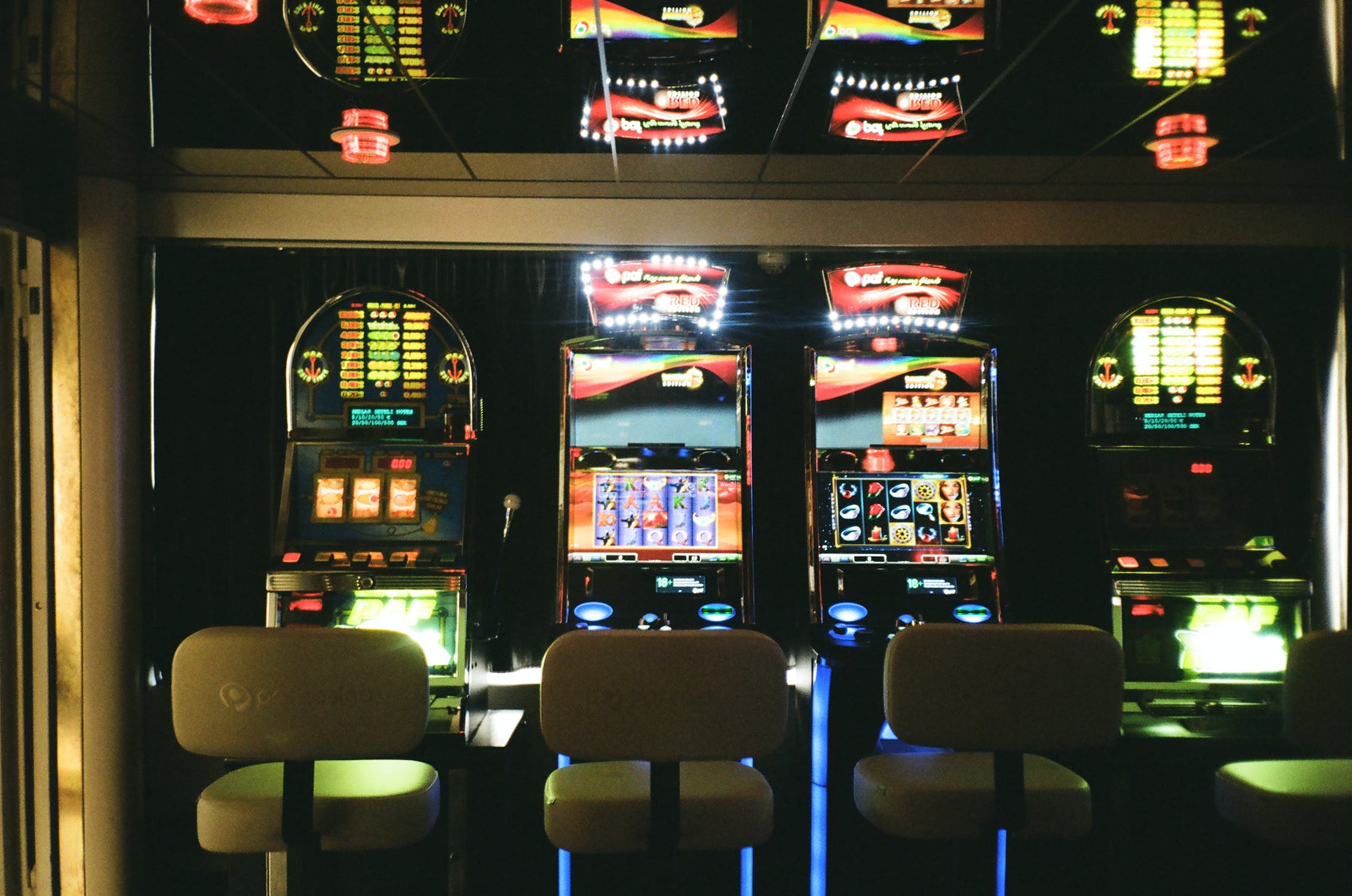
Slots Arts Gambling

Gambling has long been a popular subject in visual art, with artists across centuries exploring the themes of risk, reward, and the human condition. From the tense atmosphere of a card game to the despair of losing it all, these depictions offer a glimpse into the emotional and psychological aspects of gambling.

The Cardsharps

One of the most famous examples is Caravaggio’s The Cardsharps, which captures the deceit and tension of a game of cards. The painting portrays a young man being swindled by two card cheats, highlighting the darker side of gambling. The painting’s use of light and shadow intensifies the drama, making it a powerful commentary on the risks involved in gambling.

Dogs Playing Poker

In contrast, C.M. Coolidge’s Dogs Playing Poker series takes a more humorous approach, depicting anthropomorphized dogs engaged in poker games. While these paintings are often viewed as lighthearted and comical, they also subtly explore themes of strategy, deception, and the camaraderie found in gambling.

Concepts of Risks and Rewards

Artistic depictions of gambling are not limited to traditional paintings. Modern artists have used various mediums to explore the concepts of chance and risk. For example, contemporary installations and digital art often incorporate elements of randomness, challenging viewers to think about the nature of luck and fate.

Whether serious or whimsical, these artworks provide valuable insights into how gambling has been perceived and interpreted throughout history. They remind us that gambling is not just a game of chance but a reflection of human desires, fears, and the eternal quest for fortune.

The Intersection of Risk and Creativity

The relationship between hazard and art is as old as creativity itself. Artists often tread the fine line between safety and danger, both in the physical creation of their work and in the thematic exploration of risky subjects. From the daring stunts of performance artists to the provocative installations that challenge societal norms, hazard becomes a powerful tool for expression. This interplay can be seen in works that address political instability, environmental crises, or personal trauma. By embracing hazard, artists can push boundaries, provoke thought, and evoke strong emotional responses. The result is art that not only captivates but also compels audiences to confront their perceptions of risk and safety in the world around them.

𐌢